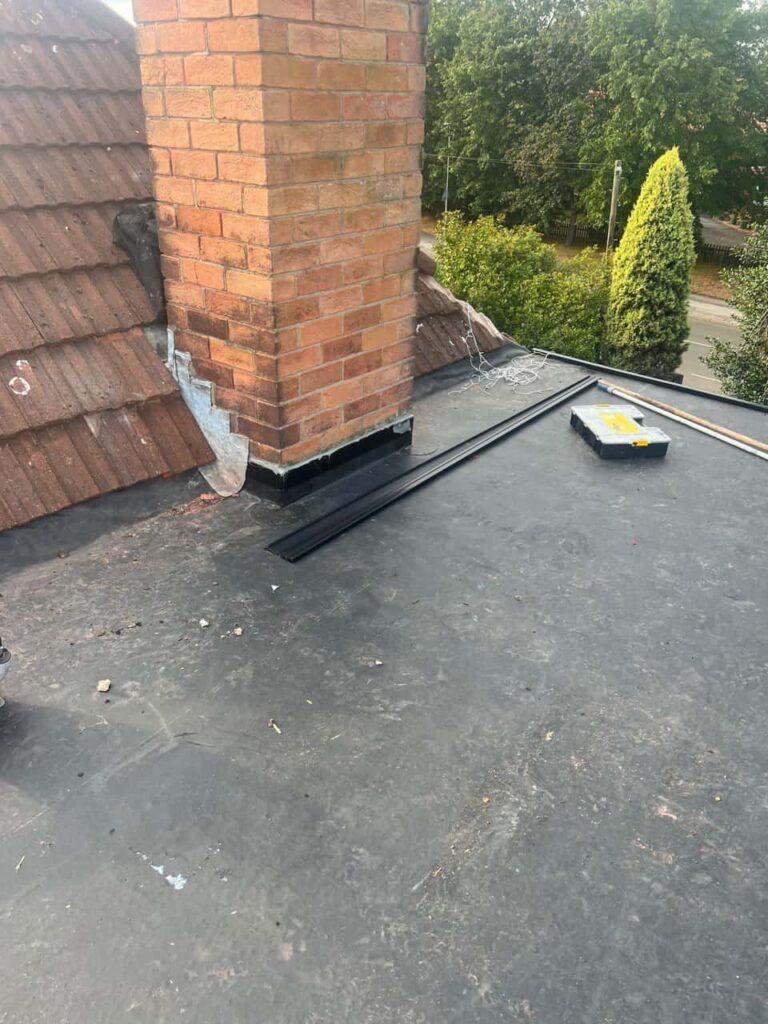
A pitched roof is designed to protect your home from rain, wind and changing weather conditions. Its sloping structure allows rainwater to run towards the gutters, helping to prevent water from collecting on the roof. However, individual tiles, roof fixings and other components can deteriorate over time, making regular maintenance and timely repairs essential.
For homeowners in Mildenhall, Suffolk, recognising early signs of roof damage can help prevent minor issues from developing into more extensive problems. Understanding common pitched roof faults and knowing when to arrange professional repairs can help keep your property dry, secure and well maintained.
Common Problems That Require Pitched Roof Repairs
Pitched roofs are built to withstand the elements, but exposure to wind, rain, frost and temperature changes can gradually affect their condition. Several problems can compromise their ability to protect your home.
Slipped, Cracked or Broken Roof Tiles
Roof tiles can become loose, cracked or broken due to strong winds, accidental impact or general wear. Even a small gap in the roof covering can allow rainwater to reach the underlying materials.
Missing or displaced tiles may also expose roof battens and the underlay to moisture. If you notice tiles sitting unevenly, visible gaps or fragments of roofing material on the ground, arrange an inspection to establish whether repairs are needed.
Roof Leaks and Water Ingress
Water entering through a pitched roof can cause damp patches on ceilings, staining in the loft and damage to timber components. Leaks are not always directly beneath the damaged area because water can travel along roof timbers before becoming visible indoors.
Common causes include damaged tiles, deteriorated flashing and faults around roof joints. Identifying the source is important, as simply addressing the visible stain may leave the underlying problem unresolved.
Damaged Roof Flashing
Flashing provides a weatherproof seal where the roof meets features such as chimneys, adjoining walls and other roof junctions. Over time, flashing can crack, lift or become loose, allowing rainwater to penetrate vulnerable areas.
Because flashing defects can be difficult to identify from ground level, professional assessment is often the most reliable way to determine whether repairs are necessary.
Worn or Damaged Ridge Tiles
Ridge tiles cover the highest point of a pitched roof, helping protect the junction where the two roof slopes meet. The mortar securing traditional ridge tiles can deteriorate, crack or loosen through weather exposure and natural ageing.
Loose ridge tiles should not be ignored, as they can allow water into the roof structure and may become dislodged during strong winds. Repairs should restore the stability and weather resistance of the ridge.
Blocked Gutters and Poor Drainage
Although gutters are separate from the main roof covering, they play an important role in protecting a pitched roof and the surrounding property. Leaves, moss and other debris can obstruct drainage, causing rainwater to overflow onto walls or collect around the roofline.
Keeping gutters clear and checking that downpipes drain properly helps rainwater move away from the building as intended.
How to Keep Your Pitched Roof in Good Condition
Routine maintenance can help identify potential problems before they develop into more serious defects. Homeowners in Mildenhall can take several practical steps to maintain their roofs safely.
Arrange Regular Roof Inspections
A periodic roof inspection can identify cracked tiles, deteriorating mortar, damaged flashing and other defects that may not be obvious from inside the property. Inspections are particularly useful after severe weather, when strong winds may have displaced tiles or damaged exposed roof components.
Avoid climbing onto the roof yourself. Roof work can be hazardous, and a qualified roofing professional has the appropriate equipment and experience to assess its condition safely.
Look for Early Signs of Damage Indoors
Your loft and upper-floor ceilings can provide useful clues about the condition of your roof. Look for water stains, damp timber, mould growth, daylight showing through unexpected gaps or a persistent musty smell.
These signs do not always identify the precise source of a fault, but they indicate that further investigation may be necessary.
Keep Roof Drainage Clear
Clear gutters and functioning downpipes help prevent water from overflowing near the roofline. Check for visible blockages, sagging gutter sections and water spilling over the edges during rainfall.
If gutters repeatedly overflow despite being cleared, the problem may involve their alignment, capacity or drainage connections and may require professional attention.
Address Repairs Promptly
A small roofing defect can allow repeated water penetration, gradually affecting insulation, plasterwork and roof timbers. Arranging repairs when damage is first identified can help prevent further deterioration.
Whether the issue involves a few slipped tiles, loose ridge tiles or defective flashing, the appropriate repair will depend on the roof’s construction and the extent of the damage.
Why Professional Pitched Roof Repairs Matter
Effective roof repairs involve more than replacing a damaged tile. A thorough assessment considers the surrounding roof covering, the condition of the supporting materials and any nearby components that could contribute to the problem.
At Mildenhall Roofing Repairs, professional attention to pitched roof defects helps homeowners understand what needs repairing and why. Identifying the underlying cause of a leak or damaged section is essential to achieving a reliable result rather than repeatedly treating the same symptoms.
If your roof has visible damage, persistent leaks or signs of deterioration, arranging an inspection can help establish the most appropriate next steps.
Conclusion
Pitched roofs provide dependable protection when their tiles, ridge details, flashing and drainage systems remain in good condition. However, weather exposure and natural wear can lead to problems that should be identified and repaired before they cause further damage.
For homeowners in Mildenhall, Suffolk, regular inspections, clear gutters and prompt attention to roofing defects can help maintain a roof’s performance over time. If you have concerns about slipped tiles, leaking roof sections or deteriorating roof components, contact Mildenhall Roofing Repairs to discuss your requirements and arrange professional assistance.
Call us on: 01638 591 491
Click here to find out more about Mildenhall Roofing Repairs
Click here to complete our contact form and see how we can help with your roofing needs.